
The global financial landscape is a dynamic and intricate web, and at its very heart lies the foreign exchange market, commonly known as Forex. This colossal market, operating 24 hours a day, five days a week, is where currencies are traded, making it the largest and most liquid financial market in the world. Understanding how this market truly functions, particularly the concept of liquidity, is not just beneficial but absolutely critical for anyone looking to unlock their trading potential in Forex.
Many aspiring traders are drawn to the allure of Forex due to its accessibility and high leverage potential, yet they often overlook one of its most fundamental characteristics: liquidity. Liquidity dictates how easily and efficiently you can enter or exit a trade without significantly impacting the price. This comprehensive guide will delve deep into understanding Forex liquidity, explaining its mechanisms, its profound impact on your trading decisions, and how you can leverage this knowledge to navigate the market more effectively.
What is Forex Liquidity?
At its core, liquidity in the Forex market refers to the ease with which a currency pair can be bought or sold without causing a significant change in its price. High liquidity means there’s a large volume of trading activity, with many buyers and sellers actively participating. This abundance of participants ensures that there are always readily available counterparts for your trades, leading to smooth and efficient execution.
Conversely, low liquidity implies less trading activity, fewer participants, and a smaller volume of orders. In such an environment, executing a trade can be challenging, potentially leading to wider spreads and significant price movements as your order might consume a larger portion of the available bids or offers. For the Forex trader, understanding this distinction is paramount.
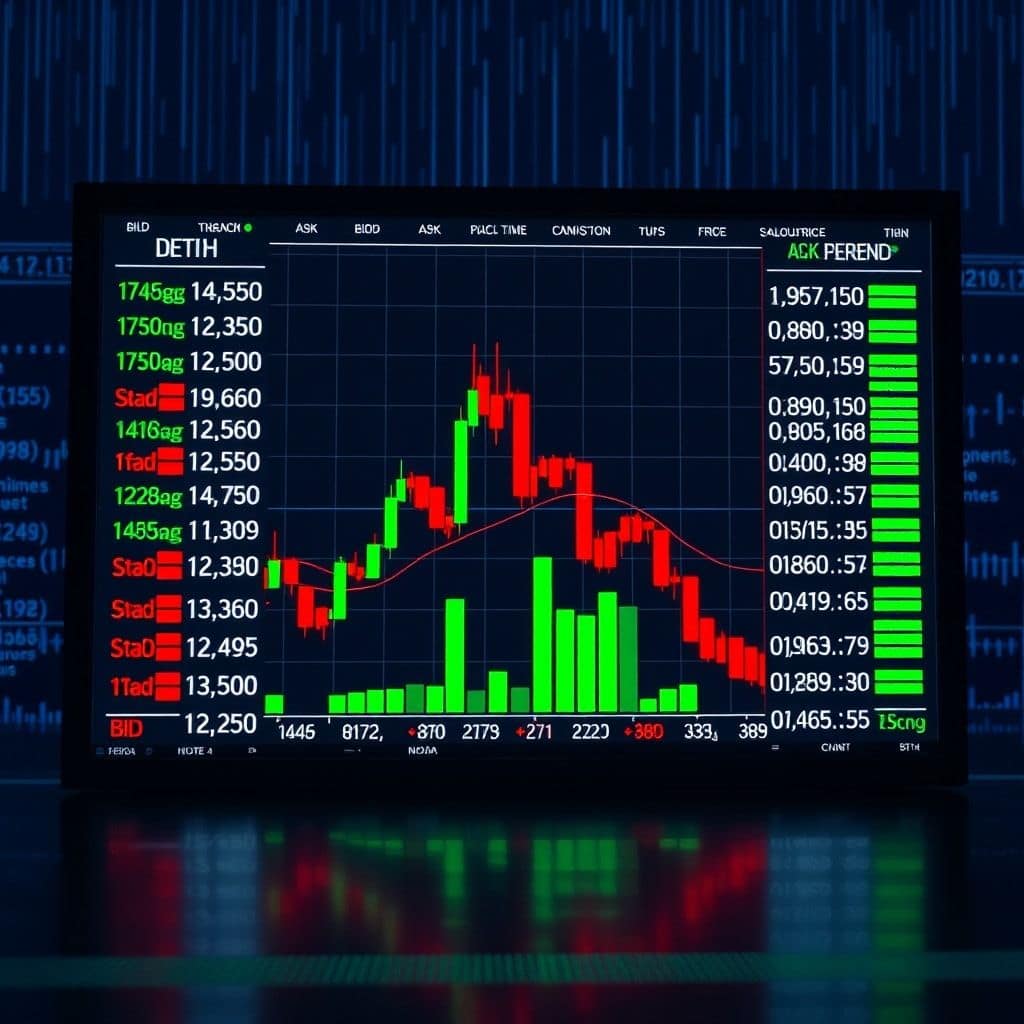
Why Liquidity Matters in Forex Trading
The level of liquidity directly impacts several key aspects of your Forex trading experience. Firstly, it affects the spread, which is the difference between the bid (buy) and ask (sell) price. In a highly liquid market, spreads tend to be tighter, meaning your transaction costs are lower. Conversely, in an illiquid market, spreads widen considerably, increasing the cost of each trade.
Secondly, liquidity influences execution speed and the likelihood of slippage. High liquidity allows for quick order execution at or very near your desired price. In a low-liquidity environment, there might not be enough orders at your desired price, leading to your trade being executed at a worse price – a phenomenon known as slippage. This can significantly impact the profitability of your Forex strategy.
The Pillars of Forex Market Liquidity
The immense liquidity of the Forex market isn’t accidental; it’s a product of several interconnected factors. Understanding these pillars helps in grasping how the market truly operates.
Major Currency Pairs and Their Liquidity
Not all currency pairs are created equal when it comes to liquidity. The major currency pairs, often referred to as “the Majors,” are by far the most liquid. These include EUR/USD, GBP/USD, USD/JPY, USD/CHF, AUD/USD, USD/CAD, and NZD/USD. These pairs involve the world’s most traded currencies and are backed by large, stable economies.
Their high trading volume stems from their fundamental importance in global trade, finance, and investment. Consequently, they offer the tightest spreads and the most efficient execution, making them the preferred choice for most Forex traders. Exotic pairs, involving currencies from emerging markets, typically exhibit much lower liquidity due to smaller trading volumes.
The Role of Major Financial Institutions
The backbone of Forex liquidity is the interbank market, a decentralized network where large commercial banks and investment banks trade currencies directly with each other. These institutions act as market makers, constantly quoting bid and ask prices for various currency pairs. Their enormous transaction volumes provide the deep liquidity necessary for the entire market to function.
Beyond banks, large hedge funds, multinational corporations, and central banks also contribute significantly to Forex liquidity. Central banks, in particular, can intervene in the market to influence their national currency’s value, adding or withdrawing substantial liquidity in the process. This institutional participation ensures that there’s almost always a counterparty for any trade, regardless of its size.
Global Trading Hours and Overlaps
The Forex market operates 24 hours a day, five days a week, spanning major financial centers across the globe. Trading begins in Sydney, moves to Tokyo, then to London, and finally to New York before cycling back to Sydney. Each session brings its own set of active participants and trading volumes.
The highest liquidity in Forex occurs during the overlaps of these major trading sessions. For instance, when the London and New York sessions overlap (typically from 8 AM to 12 PM EST), both European and North American traders are active, leading to a surge in trading volume and tighter spreads. Traders can strategically plan their activities around these peak liquidity periods to optimize their execution and minimize costs in the Forex market.
Why Understanding Forex Liquidity is Critical for Traders
A deep understanding of Forex liquidity is not merely academic; it has direct, tangible implications for your trading performance and risk management.
Impact on Spreads and Transaction Costs
As mentioned, high liquidity translates to tighter spreads. For a day trader or scalper who executes numerous trades, even a fractional difference in the spread can significantly impact overall profitability. Trading illiquid pairs or during illiquid times means you’ll consistently pay higher transaction costs, eroding your potential gains.
Consider a scenario where you’re trading a highly liquid pair like EUR/USD during the London/New York overlap. You might encounter a spread of 0.5 pips. If you trade an exotic pair or the same major pair during the quiet Asian session, the spread could easily be 5 pips or more. Over many trades, this difference compounds, making liquidity a crucial factor in your bottom line in Forex.
Execution Speed and Slippage
In a fast-moving Forex market, timely execution is paramount. High liquidity ensures that your orders are filled almost instantaneously at your desired price. However, in low-liquidity conditions, there might not be enough opposing orders at your specified price level.
This can lead to slippage, where your market order is filled at the next available price, which could be several pips away from your intended entry or exit. Significant slippage can turn a winning trade into a losing one or exacerbate losses, especially for strategies that rely on precise entry and exit points in the Forex market.
Volatility and Price Action
Liquidity also plays a critical role in shaping price action and volatility. In a highly liquid market, large orders are absorbed smoothly, preventing drastic price swings. However, in illiquid conditions, even a relatively small order can cause a disproportionately large price movement. This can lead to erratic and unpredictable price action, making technical analysis less reliable.
Flash crashes or spikes, while rare, are often a symptom of extreme illiquidity, where a sudden imbalance of orders in a thin market causes prices to plummet or surge rapidly. Traders need to be aware of these dynamics to avoid being caught on the wrong side of a sudden, liquidity-driven move in Forex.
Risk Management in Forex
Effective risk management in Forex is intrinsically linked to understanding liquidity. Placing stop-loss orders is a fundamental risk control measure, but their effectiveness can be compromised in illiquid markets. If a market suddenly becomes illiquid, your stop-loss might not be triggered at the exact price you set, leading to greater losses than anticipated due to slippage.
By understanding liquidity, traders can make more informed decisions about position sizing, the currency pairs they trade, and the times they choose to trade. Avoiding highly illiquid periods or pairs can significantly reduce the risk of unexpected losses and improve the overall resilience of a Forex trading strategy.
Factors Affecting Forex Liquidity
While some factors like major currency pairs and trading sessions provide a baseline for liquidity, other events can cause significant, albeit temporary, shifts.
Economic News and Data Releases
Major economic news releases, such as interest rate decisions from central banks, Non-Farm Payrolls (NFP) reports, or GDP figures, can temporarily cause a dip in Forex liquidity just before and immediately after their announcement. Traders and institutions often pull back their orders, waiting for clarity, leading to wider spreads and increased volatility.
Once the news is released and the market digests the information, liquidity typically returns, often accompanied by strong directional moves. Being aware of the economic calendar is vital for navigating these periods in the Forex market.
Geopolitical Events
Uncertainty stemming from geopolitical events – elections, referendums, conflicts, or major political announcements – can lead to risk aversion. In such times, market participants may reduce their exposure or move to safe-haven assets, reducing overall trading volume and liquidity in certain currency pairs or across the entire Forex market.
Market Holidays
When major financial centers are closed for public holidays (e.g., Christmas, New Year’s Day, or national holidays in the US, UK, Japan, or Eurozone), the volume of trading naturally decreases. This reduction in participation can lead to thinner markets, wider spreads, and increased susceptibility to sudden price moves in Forex.
Central Bank Interventions
Central banks occasionally intervene in the Forex market to influence their currency’s value. These interventions, which involve buying or selling large quantities of currency, can significantly impact liquidity and price action. While less frequent now, they are a powerful reminder of how major players can alter market dynamics.
Strategies for Navigating Forex Liquidity
Armed with an understanding of Forex liquidity, you can adopt several strategies to enhance your trading performance and manage risk more effectively.
Trading Major Pairs
For most retail traders, sticking to the major currency pairs is the safest bet. Their inherent high liquidity ensures tighter spreads, better execution, and generally more predictable price action. This reduces transaction costs and minimizes the risk of slippage, especially for beginners in Forex.
Awareness of Market Hours
Plan your trading activities around peak liquidity periods, such as the overlaps between major trading sessions (e.g., London and New York). Avoid trading during extremely quiet periods (e.g., late Friday nights or early Monday mornings) unless your strategy specifically accounts for low liquidity and wider spreads.
Monitoring Economic Calendars
Always keep an eye on the economic calendar. Be prepared for potential liquidity dips and increased volatility around high-impact news releases. You might choose to avoid trading during these times or adjust your position sizing and stop-loss levels to account for the increased risk in Forex.
Adapting Trading Strategies
Your trading strategy should be flexible enough to adapt to varying liquidity conditions. Scalping or high-frequency trading, for example, is best suited for highly liquid markets with tight spreads. Swing trading or longer-term strategies might be less sensitive to immediate liquidity fluctuations but still need to account for potential slippage on entry and exit.
Using Reliable Brokers
Choose a Forex broker that offers access to deep liquidity pools. Reputable brokers often aggregate liquidity from multiple providers, ensuring that you get competitive spreads and reliable execution even during volatile periods. This is a crucial factor in building a robust Forex trading environment.
Conclusion
Understanding Forex liquidity is not just another technical detail; it is a fundamental pillar of successful trading. It directly impacts your transaction costs, the speed and accuracy of your order execution, and the overall risk profile of your trades. By recognizing the factors that influence liquidity – from major currency pairs and institutional participation to global trading hours and economic events – you gain a significant edge in navigating this complex market.
Embrace the knowledge of how the Forex market truly functions by prioritizing liquidity in your analysis and strategy development. This will allow you to make more informed decisions, manage your risk more effectively, and ultimately unlock your full trading potential. To further deepen your understanding and refine your strategies, explore additional resources on advanced risk management and technical analysis techniques. Are you ready to take control of your Forex trading journey?
Leave a Reply